What Is 925 Sterling Silver? Properties and Tests
What does 925 sterling silver mean? Its purity, durability, how it differs from silver plating and simple ways to tell real sterling silver from fake.

Silver has always been popular for its elegant look and accessible price. When you walk into a jewellery shop or like a design online, you keep seeing the same number in product descriptions. The common question "what is 925 silver?" actually refers to the purity standard for this metal accepted all over the world.
Understanding the metals used in jewellery helps you know the real value of what you buy. 925 is not a random code but a precise ratio. Once you learn to read it, you can better judge the quality, durability and care needs of your silver jewellery.
What does 925 mean?
A system similar to gold fineness applies to silver too. The purity of precious metals is usually expressed in parts per thousand. The technical answer is this: in 1,000 parts of the metal, 925 are pure silver and the remaining 75 are other metals. As a percentage, the piece contains 92.5% pure silver.
Internationally this is called sterling silver, and in Turkey it is often called som gümüş, solid silver. The remaining 7.5% is alloy, usually copper.
Why isn't 100% pure silver used?
Refined pure silver (999 fine), like 24 karat gold, is very soft. A thin piece of pure silver bends easily and loses its shape.
Such a soft metal cannot stand up to daily wear as a necklace, ring or bracelet. It dents at the slightest knock, its patterns wear away and the prongs holding stones can loosen. So a small amount of copper is added to harden it. Copper gives silver durability without noticeably changing its colour.
How can you tell if a piece is real 925 silver?
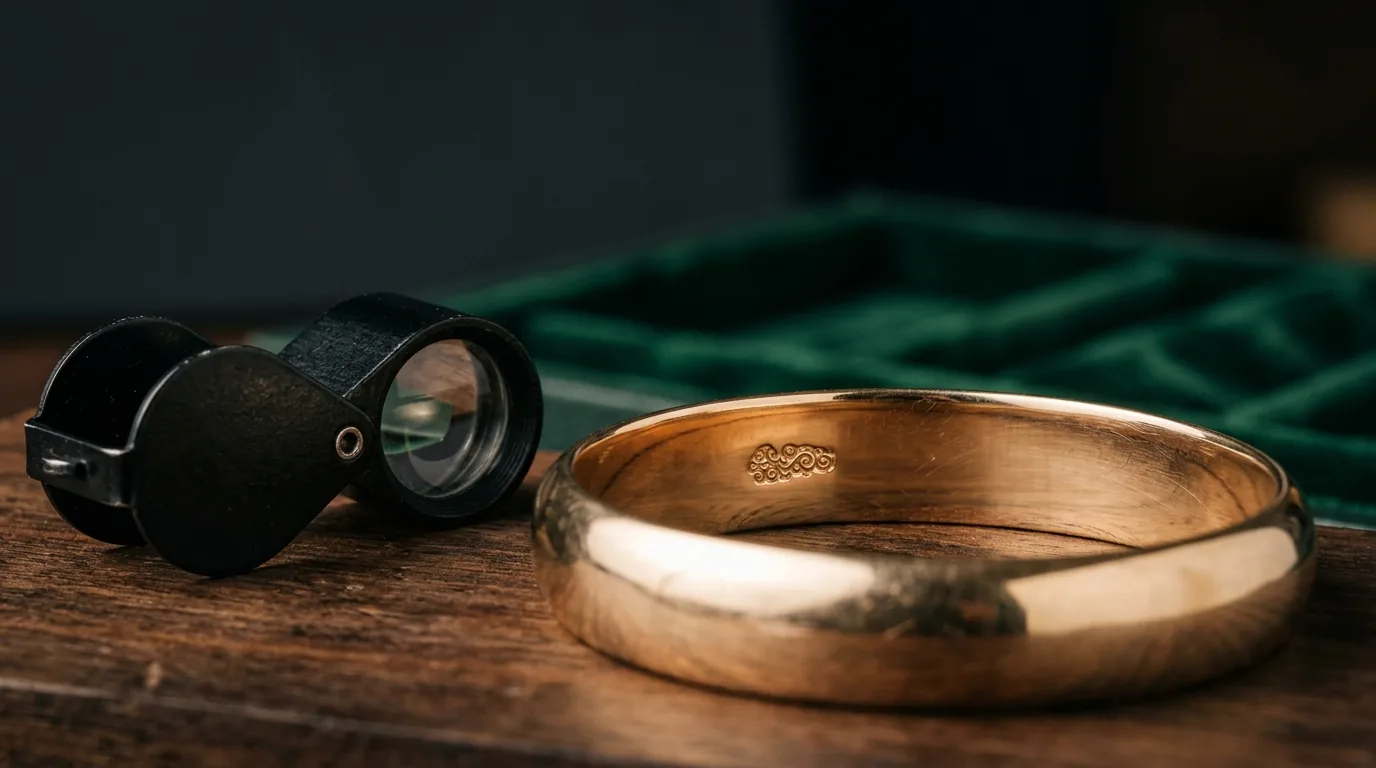
The first place to look is the hallmark. Most real silver jewellery carries a small "925" stamp somewhere discreet, such as inside a ring, on a necklace clasp or on the inner surface of a bracelet. A hallmark alone is not conclusive proof, but it is an important sign.
A simple test you can do at home is the magnet test. Silver is not magnetic, so it does not stick to a magnet. If the piece sticks to a strong magnet, it contains a different metal such as iron or steel. Not sticking does not prove on its own that it is silver, though. For a definite answer, have a purity test done at a jeweller.
Silver plating versus 925 silver
A large share of affordable costume jewellery is silver plated. Plated pieces are made of a metal such as brass, copper or steel and only their outer surface is coated with a very thin layer of silver. They may look the same in the window, but their lifespans are very different.
On plated jewellery, the thin silver layer wears away over time with friction, sweat or perfume, revealing the metal underneath. Real 925 silver is not a coating; it is the same metal all the way through. Even if the surface is scratched, there is silver underneath. You can browse designs in our catalogue.
Tarnish and 925 silver
A piece being 925 does not mean it will not tarnish. As we explain in why does silver jewellery tarnish, real silver reacts with sulphur in the air and darkens over time. The copper in the alloy can speed this up.
To delay tarnishing, many 925 pieces are plated with rhodium. Rhodium-plated silver stays bright for a long time as long as the plating does not wear off. Tarnished silver can be brought back to a shine with proper cleaning or polishing at a jeweller.
Comparison by purity
| Type of silver | Purity | Durability | Common use |
|---|---|---|---|
| Pure silver | 999 fine (99.9%) | Very low, very soft | Silver bars and gram silver for investment |
| 925 (sterling) | 925 fine (92.5%) | High | Jewellery, silverware |
| 800 silver | 800 fine (80%) | Higher | Antique silver items, ornaments |
| Silver plated | Surface coating only | Coating wears over time | Costume jewellery |
Pricing
The price of silver jewellery is not based on the value of the metal alone. Especially for designer pieces and models with a lot of handwork, such as filigree (telkari), craftsmanship makes up a large part of the price. Because the gram price of silver is much lower than gold's, craftsmanship usually accounts for a larger share of the price of silver jewellery.
If you are thinking of buying silver as savings, look at 999 fine gram or bar silver rather than crafted jewellery. Follow current prices on our market page. In our store you can always ask about the purity and weight of any piece.
Frequently Asked Questions
Does 925 silver cause allergies?
925 silver usually contains no nickel, so many people with metal allergies can wear it comfortably. Rarely, people sensitive to the copper in the alloy may have a skin reaction.
Does the 925 stamp on silver wear off?
Because the hallmark is pressed into the metal, it does not wear off easily with normal use. It may become less visible over years of wear or during workshop work such as resizing.
Can 925 silver be worn in the shower or the sea?
Water alone does not harm silver, but shampoo, shower gel, chlorine in pools and salt in the sea make it tarnish faster. To keep it bright, take it off before going into the water.
Why check the weight when buying silver jewellery?
Silver is heavy compared with light metals such as aluminium. If a piece that looks thick and large feels unexpectedly light in your hand, it may be hollow or made of a different material. In that case, have it checked by a jeweller.
At Erya Gold Kuyumculuk you can follow live buying and selling prices, and reach our store in Ümraniye with any question.