What Is Scrap Gold? How Its Value Is Calculated
What does "scrap gold" mean at a jeweller, and how is its price calculated? Read our guide before you sell your old gold jewellery.

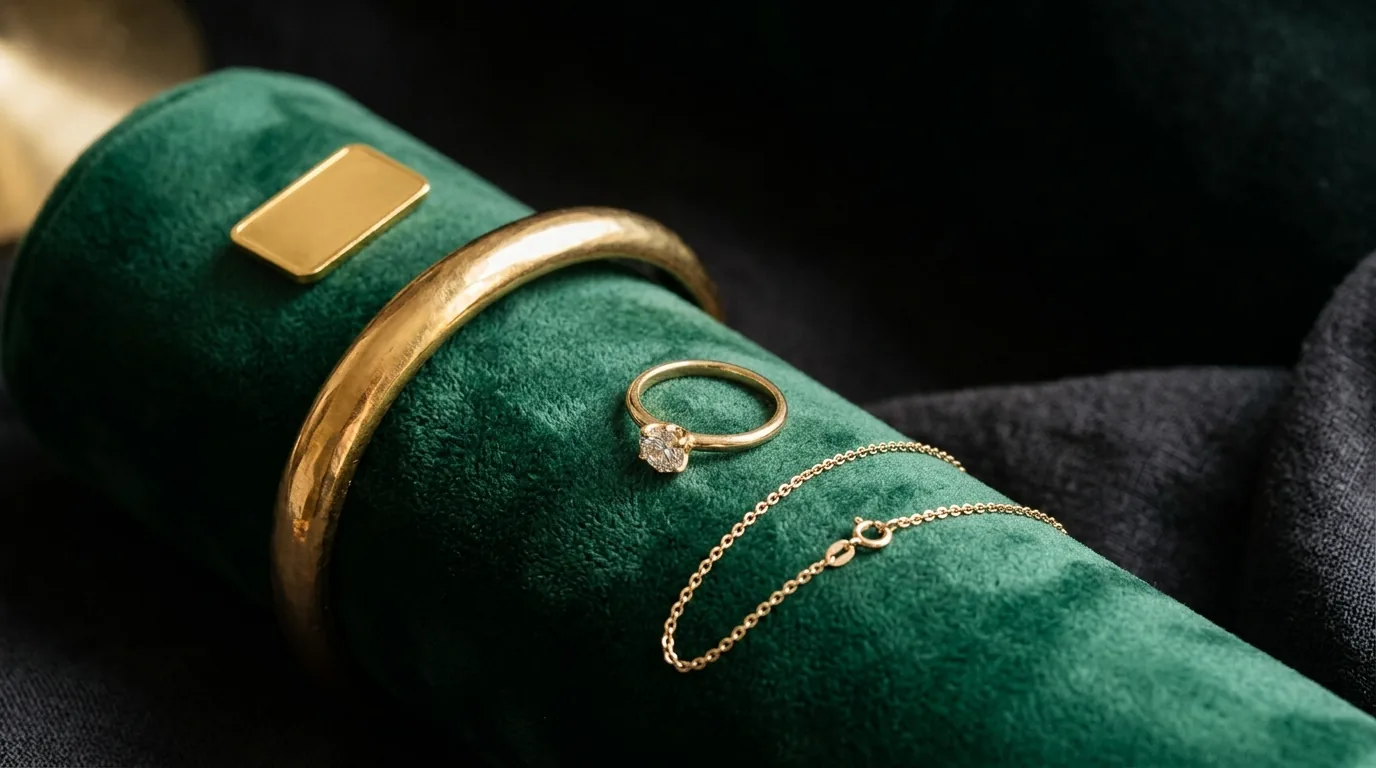
When you take old or unused jewellery to a jeweller to sell, the offer you receive is usually different from the price in the window. This is exactly where the trade term "scrap gold" (hurda altın) comes up. Many people worry when they hear the word "scrap", thinking the gold has lost its value. In the jewellery trade, however, scrap does not mean the metal has lost value; it means the piece has lost its design and craftsmanship value and is valued only for the gold it contains.
Gold never becomes worthless. Jewellery worn for years, dented, broken or out of fashion is bought by jewellers to be melted down and turned back into pure gold. Pieces bought only for the gold they contain are called scrap gold. Understanding the logic lets you estimate more accurately how much you will be paid when you sell old jewellery.
Scrap gold in the jewellery trade
When a piece of gold jewellery is made, labour, workshop costs and design are added on top of the value of the metal. When you buy a necklace from the window, you pay these production costs as well as the value of the gold. When you want to sell the same necklace years later, used jewellery is mostly bought to be melted down rather than resold.
So when a jeweller buys your necklace, they price it on the pure gold it contains, not on its craftsmanship or design. The main reason for the loss when selling is not that gold has lost value, but that the craftsmanship fee paid at the start cannot be recovered. We cover the cost side in what is the gold craftsmanship fee.
Which jewellery counts as scrap gold?
Any gold item that has reached the end of its useful life can fall into the scrap category. Chains with broken clasps, single earrings, dented rings and old-fashioned sets are the most common examples. However bad it looks, this does not harm the weight or karat of the gold.
Not only damaged items: crafted jewellery that looks new and intact is also usually valued at the scrap price when sold. For example, if you want to sell a new 14 karat bracelet you received as a gift but that does not suit your style, it is usually priced this way too.
How is the scrap gold price calculated?
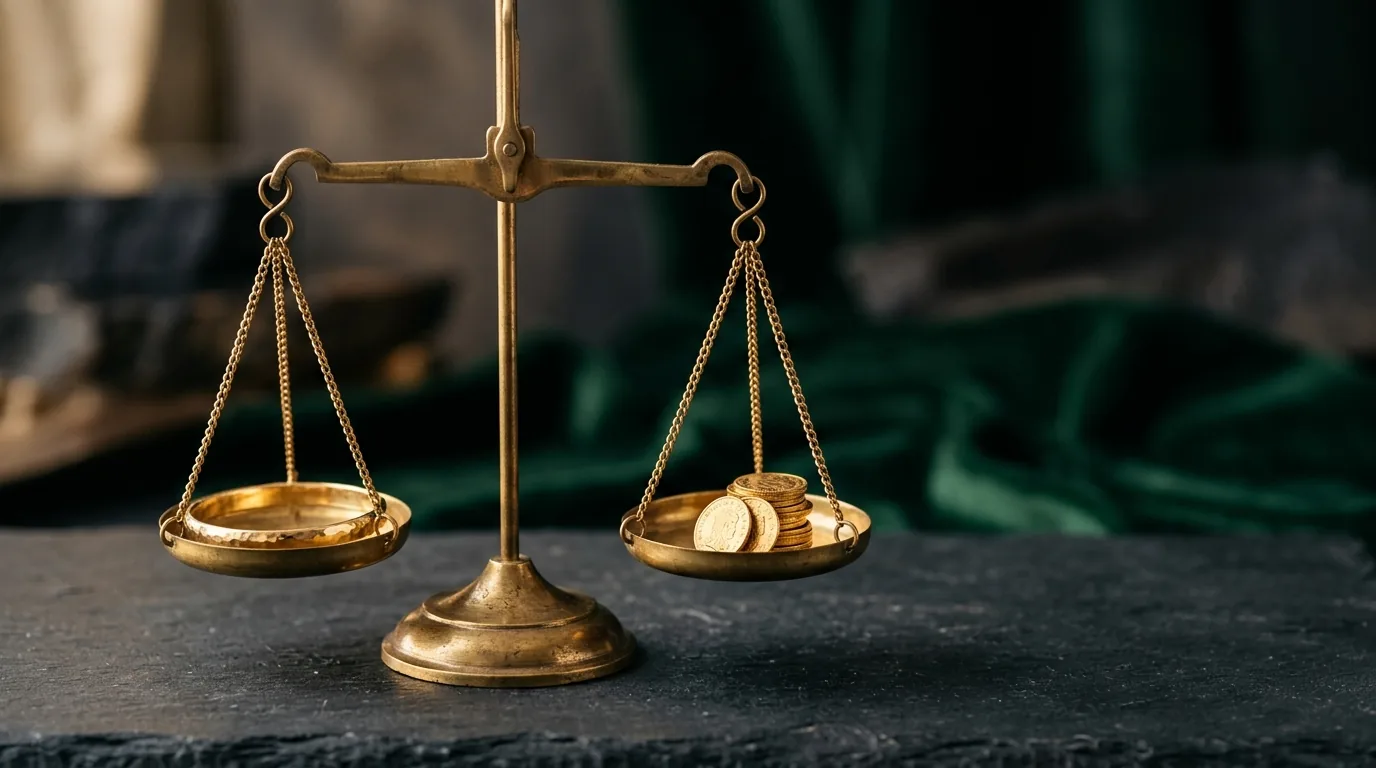
Three things determine the scrap gold price: the net weight of the piece, its karat and the current gold price. The jeweller first weighs your piece on a precision scale. But not all of that weight is pure gold. Whether the piece is 14, 18 or 22 karat determines its proportion of pure gold.
For example, a 14 karat (585 fine) ring weighing 10 grams contains 5.85 grams of pure gold. The jeweller values this amount of pure gold at the current buying price. The other metals in the alloy are not included. To see current buying and selling prices, check our market screen.
Selling rings and necklaces with stones
One of the most common misunderstandings about selling scrap gold is how jewellery with stones is valued. Apart from diamonds and precious gems, decorative stones such as zircon, glass or synthetics usually have no value when you sell. They are added to give the piece visual richness.
To sell a piece as scrap, the jeweller needs to find the net weight of the gold. So decorative stones are removed and only the gold is weighed. Because the weight drops once the stones come out, you may receive less than you expected. That is why choosing models without stones makes more sense for anything bought as savings.
Fine gold and scrap gold compared
| Feature | Fine gold (24 karat) | Scrap gold |
|---|---|---|
| Physical form | Bars or packaged gram gold | Used, damaged or old jewellery |
| Purity | 995 / 999.9 fine | 14, 18 or 22 karat alloys |
| Craftsmanship | Almost none | Paid at purchase, not refunded when sold |
| Valuation | At the pure gold price | On the amount of pure gold it contains |
Is investment gold treated as scrap?
Investment products such as 24 karat packaged gram gold, quarter coins and Ata Liras are not valued as scrap when sold. Because they are made to a standard weight and karat, they are bought back at their own buying prices. Plain 22 karat bangles also lose little when sold, because their craftsmanship is low.
Packaged gram gold is easily bought and sold as a standard product as long as its packaging is unopened. To calculate what your gold is worth today, or see today's value of a past purchase, use the calculators on our tools page. Investment gold has a narrow buy/sell spread and very little craftsmanship loss.
What to watch when selling old gold
When you decide to turn old jewellery into cash, choosing a trustworthy jeweller is important. Make sure your gold is weighed on a precision scale you can see. Grouping your jewellery by karat (14, 18, 22) and having each group weighed separately gives more accurate pricing.
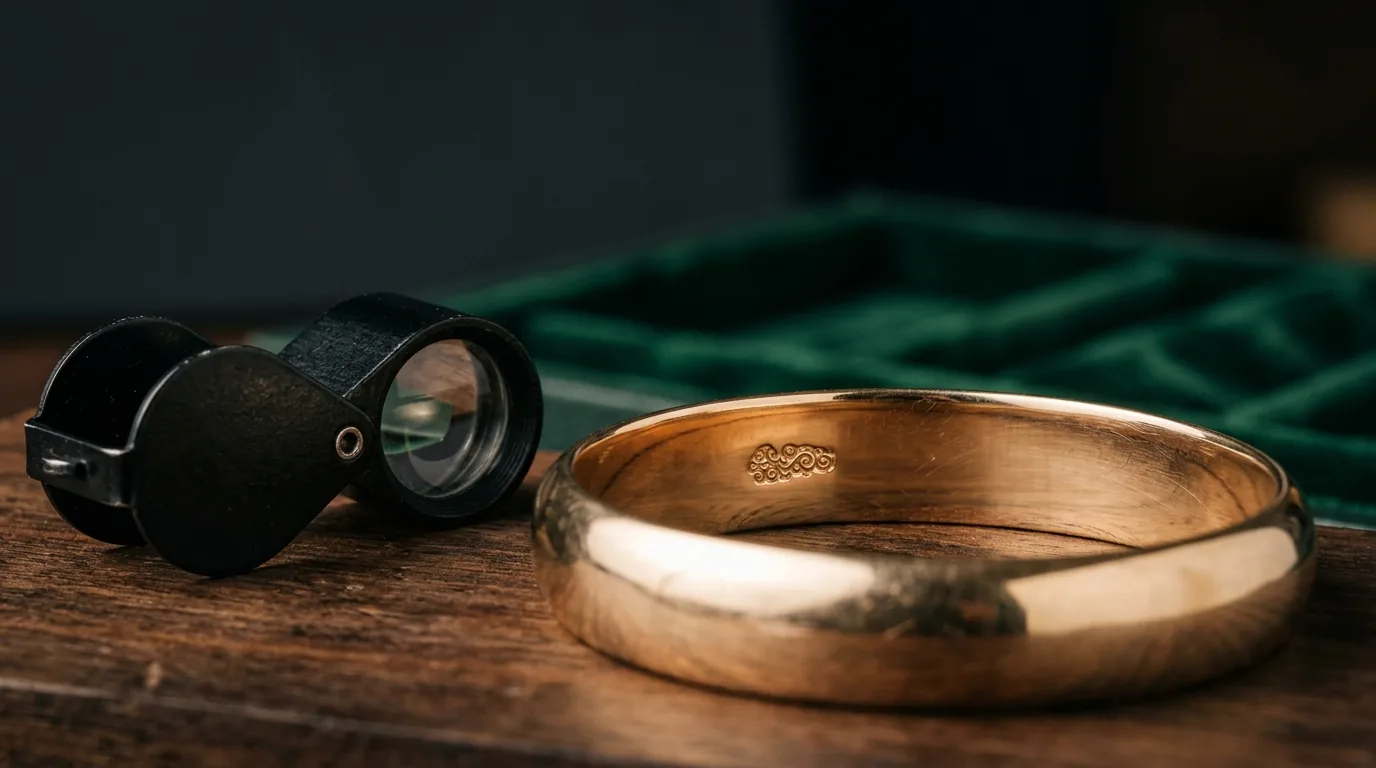
You can also check the karat stamp on each piece yourself before handing it over. At our store in Ümraniye, Istanbul, we can weigh your jewellery in front of you and calculate its value together. Our address and contact details are on the contact page.
Frequently Asked Questions
What do jewellers do with scrap gold after buying it?
Jewellers collect the scrap gold they buy and send it to refineries. There it is melted, separated from the other metals and turned back into pure gold.
Does it make sense to buy scrap gold as an investment?
Usually not. It is not possible to measure the purity of scrap gold accurately at home. For saving, choose Turkish gold coins or packaged gram gold with a known karat and weight.
Why does a 22 karat bangle lose less value when sold?
Flat, plain 22 karat bangles have low craftsmanship; they carry no stones or heavy handwork. Their pure gold content is also high (916 fine). So the craftsmanship loss when selling is small.
At Erya Gold Kuyumculuk you can follow live buying and selling prices, and reach our store in Ümraniye with any question.