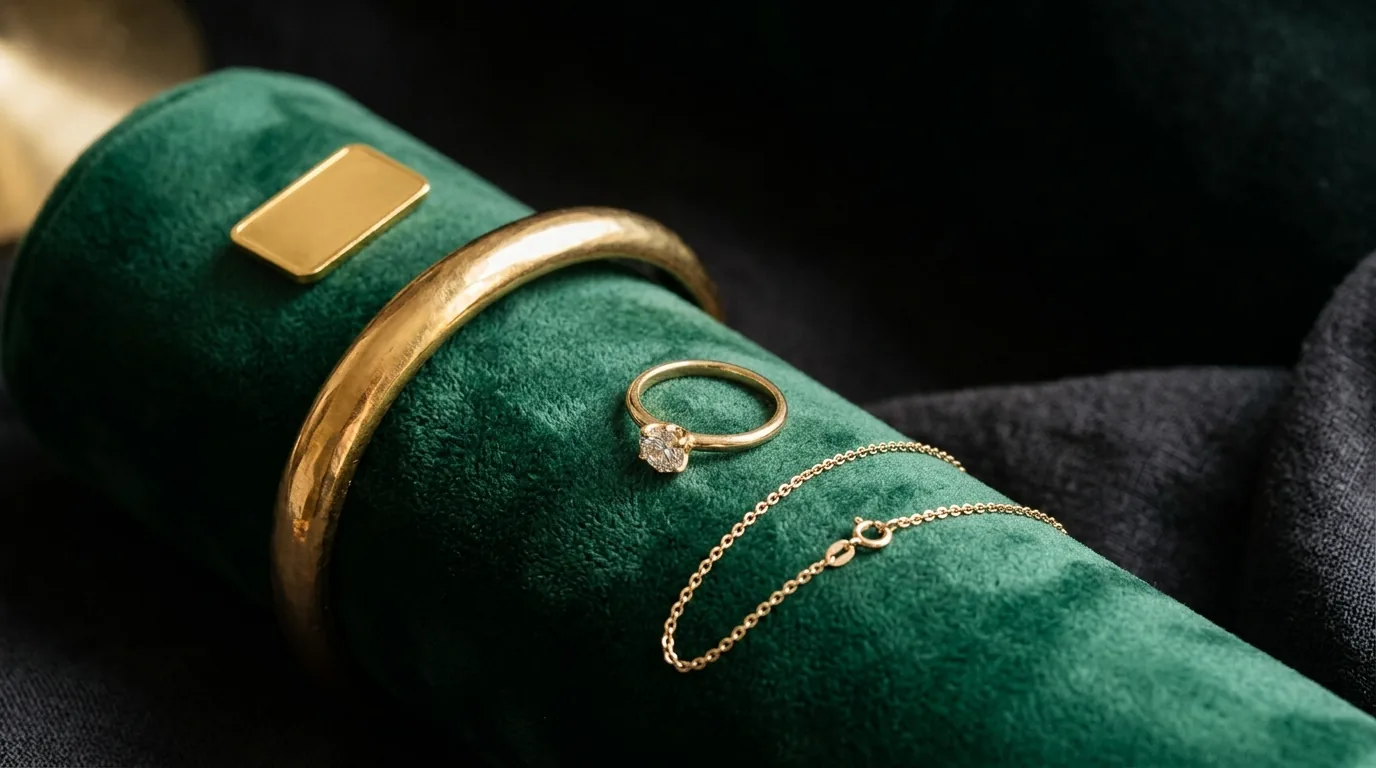
How to Store Gold Safely at Home
How should you store gold at home to protect your savings? Choosing a steel safe, protecting gold from moisture and practical security tips.

Owning physical gold gives many people a tangible sense of security. But that security depends on storing the gold in the right conditions. The question of how to store gold at home, which matters most to those who prefer to keep their savings under their own eye, covers both reducing the risk of theft and protecting the gold physically.
Ordinary jewellery boxes or locked drawers often do not provide enough protection. Choosing the right equipment and storing different kinds of gold without them damaging each other are the foundations of long-term saving. In this guide we explain effective measures you can take at home.
Common mistakes when storing gold at home
The most common mistake is choosing hiding places everyone knows. Under the mattress, the back of the wardrobe, bedside drawers or jars in the kitchen are among the first places an intruder will look.
Security comes less from finding a good hiding place than from making access physically difficult. When choosing where to store gold, aim not only for it to be out of sight but also for it to be hard to take away even if found.
Protecting gold from moisture and tarnish
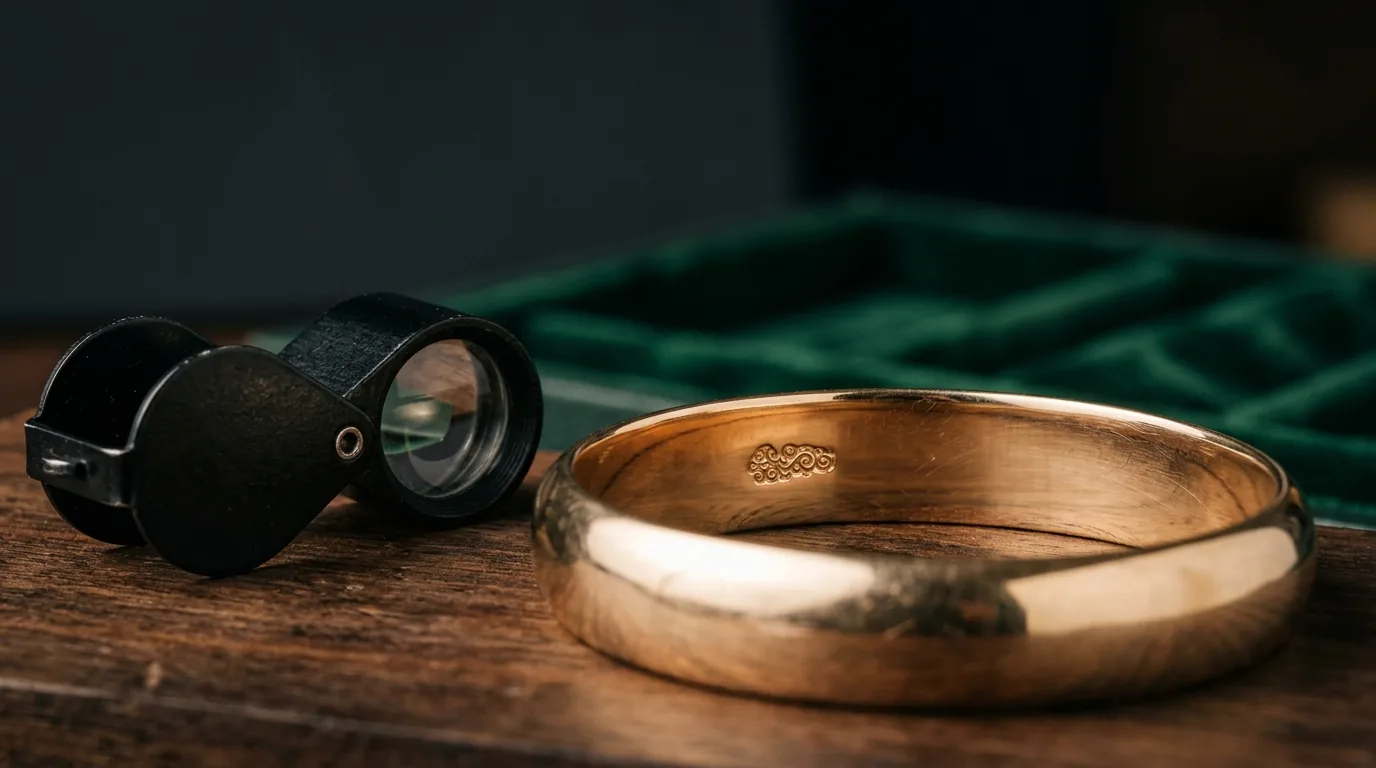
Gold does not rust and does not wear easily. But coins and jewellery below 24 karat contain metals such as silver and copper to make them harder. Stored in the wrong conditions, these metals can tarnish or dull the surface. This is more common with pieces kept in humid places such as bathrooms, or in warm, sunny spots.
To keep jewellery shining, store it somewhere dry and cool. As we mention in how to clean gold jewellery, small silica gel sachets placed in the boxes absorb moisture and reduce the risk of tarnishing.
Choosing and installing a steel safe
One of the safest ways to keep gold at home is a good quality steel safe. But how it is installed matters as much as which one you choose. A small safe that is not fixed can be carried off with its contents, however strong its lock.
That is why the safe should be properly anchored to the wall or floor. A fixed safe is much harder to remove. Fire-rated safes help protect their contents up to a certain time and temperature; this protection has limits, so check the values on the certificate.
Why original packaging matters
Keeping packaged gram gold with its original packaging and card makes selling easier. Unopened packaged gold is handled easily as a standard product. Opening the packaging does not destroy its value, but it may require an extra check when you sell.
You can also store coins such as the quarter and full coin separately in small bags so that they do not rub against each other and scratch. To see what your gold is worth today, use our tools page.
Store jewellery and coins separately
Another common mistake is keeping jewellery set with stones mixed in with investment gold. Hard stones such as diamonds can scratch softer 22 and 24 karat gold when they rub against it.
Store your jewellery separately in its own boxes or in soft fabric pouches. Keep chain necklaces and bracelets in separate compartments, or in boxes where they can lie flat, so they do not tangle. You can browse jewellery models in our catalogue.
Home safe or bank safe deposit box?
Once savings reach a certain level, you may need to choose between a safe at home and renting a bank safe deposit box.
| Criterion | Steel safe at home | Bank safe deposit box |
|---|---|---|
| Access | Available at any time | Limited to the bank's opening hours |
| Security | Depends on the safe's quality and installation | Protected by the bank's security |
| Cost | One-off purchase and installation | Regular rental fee |
| Privacy | Entirely under your control | The rental appears in bank records |
| Insurance | Check your home insurance cover separately | Cover of contents varies by bank; separate insurance may be needed |
Extra security and discretion
Besides the safe, the overall security of your home matters. Security cameras, alarm systems and strong door locks deter break-ins.
A basic rule of security is that only a few people you trust completely should know that your savings exist and where they are kept. Talking about savings kept at home in social settings can create indirect risks. Discretion is one of the cheapest and most effective measures. Follow current prices on our market page, and reach us through our contact page with any questions.
Frequently Asked Questions
Does gold kept in a safe tarnish from lack of air?
No, gold does not tarnish from lack of air. A closed space away from moisture and sulphur slows the tarnishing of alloyed jewellery. Placing a small silica gel sachet in the safe helps reduce moisture.
Can gold be stored by burying it?
It is not recommended. Soil does not harm pure gold, but moisture and substances in the soil can tarnish alloyed jewellery. There are also risks of losing track of the spot or someone finding it.
Does home insurance cover gold kept at home?
Some home insurance policies can cover jewellery and gold at home up to certain limits. Policies may require the safe to be anchored, or valuables to be declared in advance. Check the cover with your insurer.
Can packaged gram gold be taken out of its packaging for storage?
Because 24 karat gold is soft, it scratches easily once removed from its packaging. It is best kept in its original packaging so that no extra check is needed when you sell.
At Erya Gold Kuyumculuk you can follow live buying and selling prices, and reach our store in Ümraniye with any question.