Selling Old Gold: How to Turn Jewellery into Cash
Read our guide before selling old gold jewellery so you do not lose out. How the value is calculated and what to watch for when you sell gold in Istanbul.
For anyone who saves in gold or wears jewellery, one of the most important moments is selling. Coins saved over the years or old jewellery you no longer wear can be turned into cash quickly when you need it. Gold's universal acceptance is what makes it so easy to turn into cash.
But the process is not just handing your gold to a jeweller. Selling without knowing how it works can lead to unexpected losses, especially with pieces that carry a high craftsmanship cost. To get the right value for your savings, you need to know how the price is worked out and what kind of gold you hold. In this guide we explain the steps to take when selling old jewellery.
The basic logic of selling gold
When you sell a piece of jewellery, used pieces are mostly bought to be melted down rather than resold. That is why the design and craftsmanship you paid for when buying are not included when you sell.
The jeweller calculates the amount of pure gold in your piece and pays accordingly. This is called scrap valuation. As we explain in what is scrap gold, a piece being old, dented or broken does not change its gold value. What matters is its weight and karat.
Which jewellery loses most value when sold?
The more work that went into making a piece, the greater the loss when you sell it. Intricately crafted 14 and 18 karat necklaces, earrings and rings set with decorative stones top this list. You pay a high craftsmanship fee when you buy them.
When they are sold, decorative stones are removed, the net gold weight is weighed and payment is made on the pure gold content. The craftsmanship fee you paid is not refunded. So it is healthier to see jewellery you love to wear as valuable belongings bought for use, not as investments.
Selling investment gold and Turkish gold coins
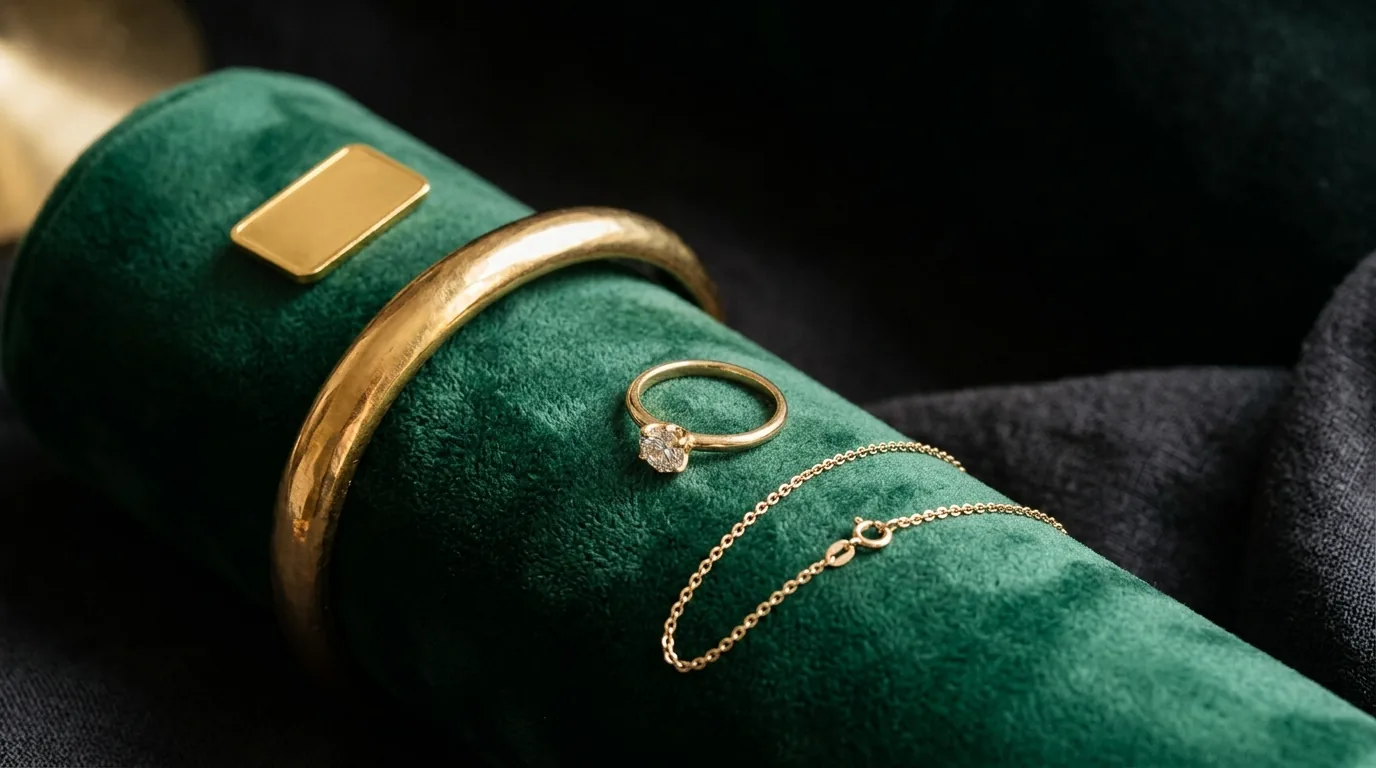
If what you hold is quarter, half or full coins, Ata Liras or packaged gram gold, the process works differently. These products are made to a standard weight and karat and carry very little craftsmanship. So there is no scrap loss when you sell; they are easily turned into cash at their own buying prices.
As on any market, only the difference between buying and selling price applies. Checking current buying prices on our market page before you sell lets you estimate how much you will receive. Plain 22 karat bangles also lose little when sold, because their craftsmanship cost is low.
Trade-in: giving old for new
Sometimes the reason for selling gold is not a need for cash but the wish to update old jewellery. Those who want to exchange dated necklaces for new designs can choose a trade-in. Your old pieces are again valued on their gold content, and the amount is deducted from the price of the new piece.
Trade-in terms vary from jeweller to jeweller. If you are thinking of buying a new model, ask in advance whether trade-in is possible and how your old piece will be valued. To browse new models, see our catalogue.
Banks and jewellers compared
Many people prefer to hold their gold as a book entry at a bank. Banks' conditions for accepting physical gold vary, and crafted jewellery is usually not accepted.
Jewellers, on the other hand, can buy gold jewellery of different karats. Banks' buy/sell spreads also usually widen in the evenings and at weekends when markets are closed. When selling physical gold, it is worth comparing the price and terms a jeweller offers.
Calculating the value before you sell
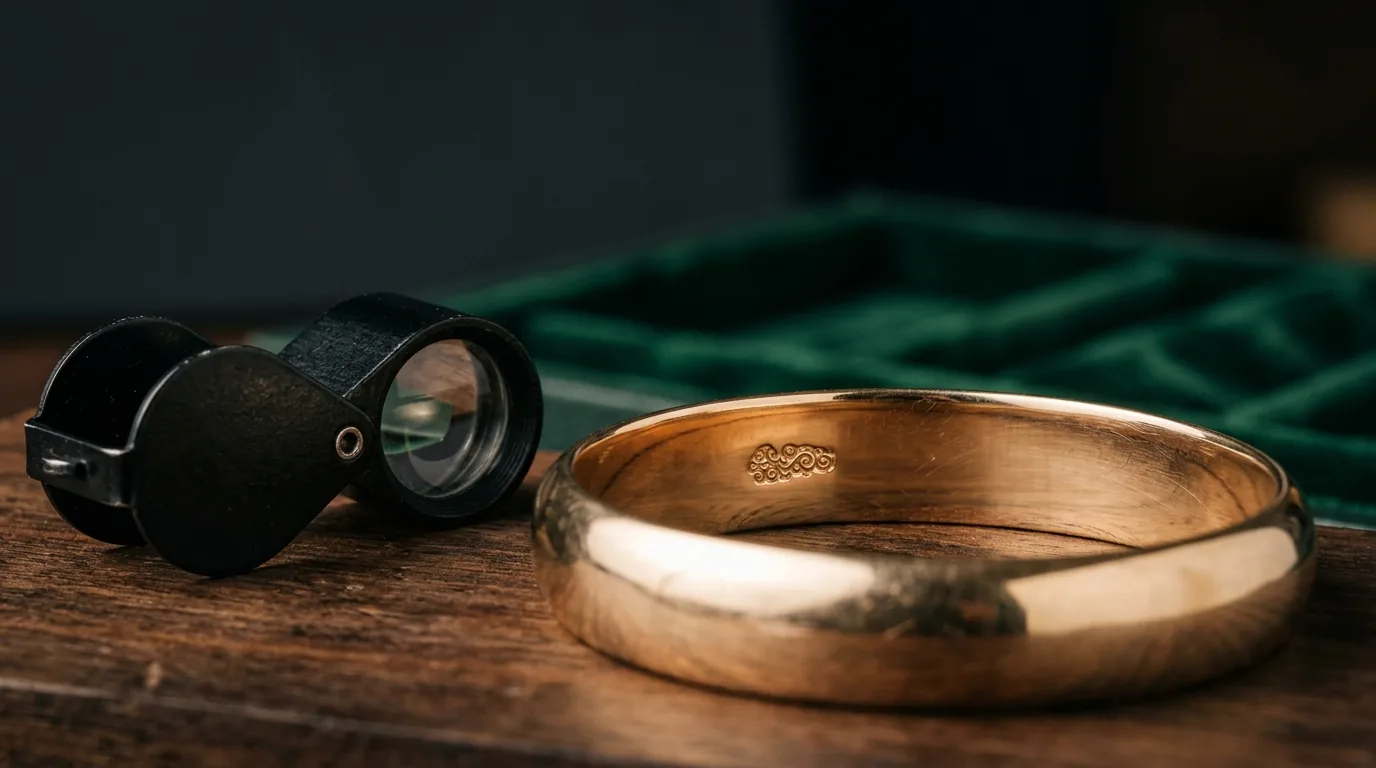
Doing your own calculation before going to the jeweller lets you approach the sale with confidence. For this you need to know the weight and karat of the piece. The inside of jewellery is usually stamped 585 (14 karat), 750 (18 karat) or 916 (22 karat).
Suppose you have a 22 karat bangle weighing 10 grams. Since 22 karat is 916 fine, about 9.16 grams of the bangle is pure gold. Multiply this by the current fine gold buying price and you have an approximate value. The jeweller's offer should be close to this, though it may differ slightly depending on the buying price and terms. For a quick calculation, use our tools section.
Choosing the right place and selling safely
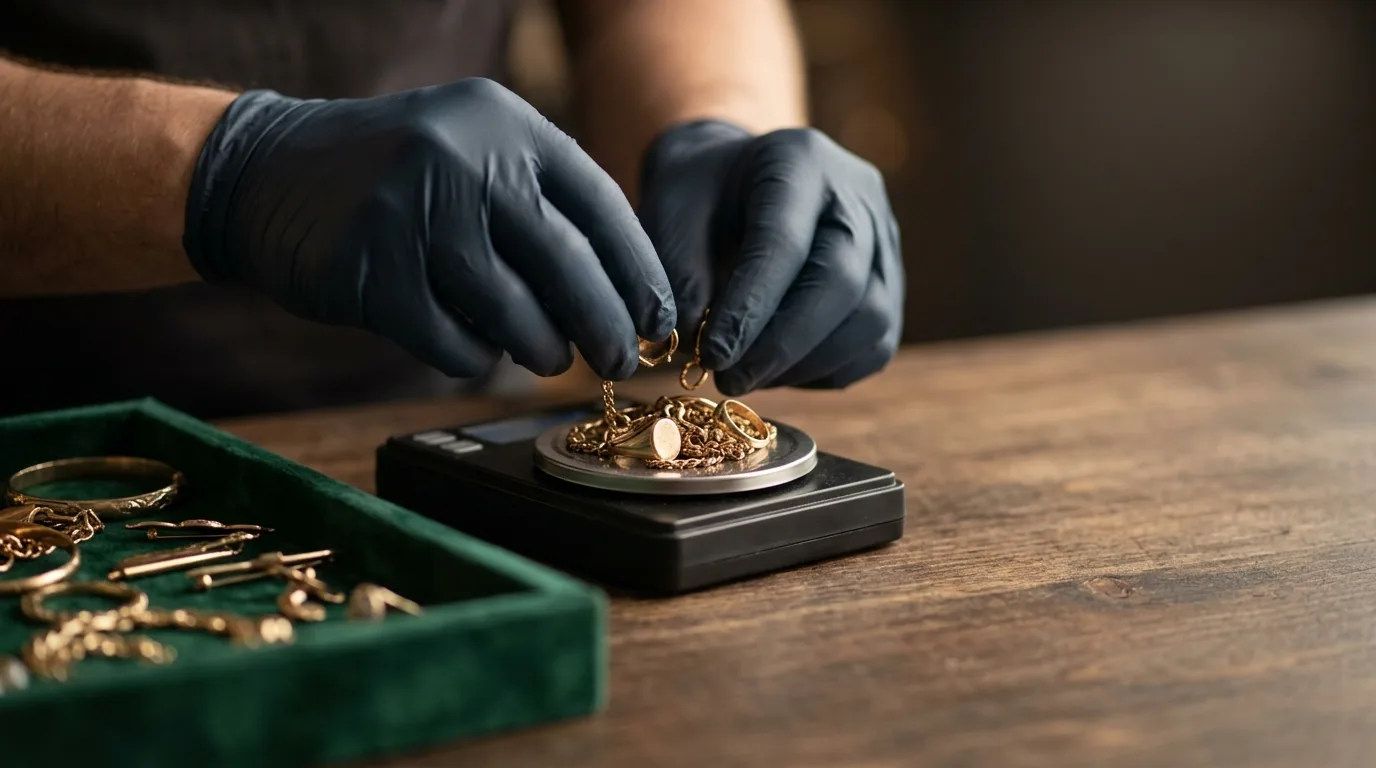
The most important step is choosing where to sell. Make sure your gold is weighed in front of you on a precision scale. Grouping your pieces by karat, weighing each group separately and getting a clear breakdown for each gives a fairer result.
For large amounts, it can help to get prices from more than one place. But remember that prices can change during the day with the market. At our store in Ümraniye, Istanbul, we can weigh your jewellery in front of you and calculate its value together. Our address is on the contact page.
Frequently Asked Questions
Are the stones in a ring paid for when I sell it?
Unless the stones are diamonds or valuable natural stones, decorative stones such as zircon and glass usually have no value when selling. They are removed and only the gold part is valued.
Do I need an invoice to sell old gold?
An invoice is not usually required when selling jewellery or coins; the jeweller checks the karat with their own methods. Depending on the amount, you may be asked for identification.
Is it wise to sell on a day when gold prices have fallen?
If you have no urgent need for cash, many people prefer not to rush to sell during sharp falls. But it is impossible to know in advance when or by how much prices will recover. You should decide according to your own needs.
Is there a price difference between old-dated and new-dated quarter coins when selling?
Yes, jewellers usually buy new-dated quarter coins at a slightly higher price than old-dated ones. But a new-dated coin becomes old-dated when the year changes, and from then on it trades at the old-dated price.
At Erya Gold Kuyumculuk you can follow live buying and selling prices, and reach our store in Ümraniye with any question.