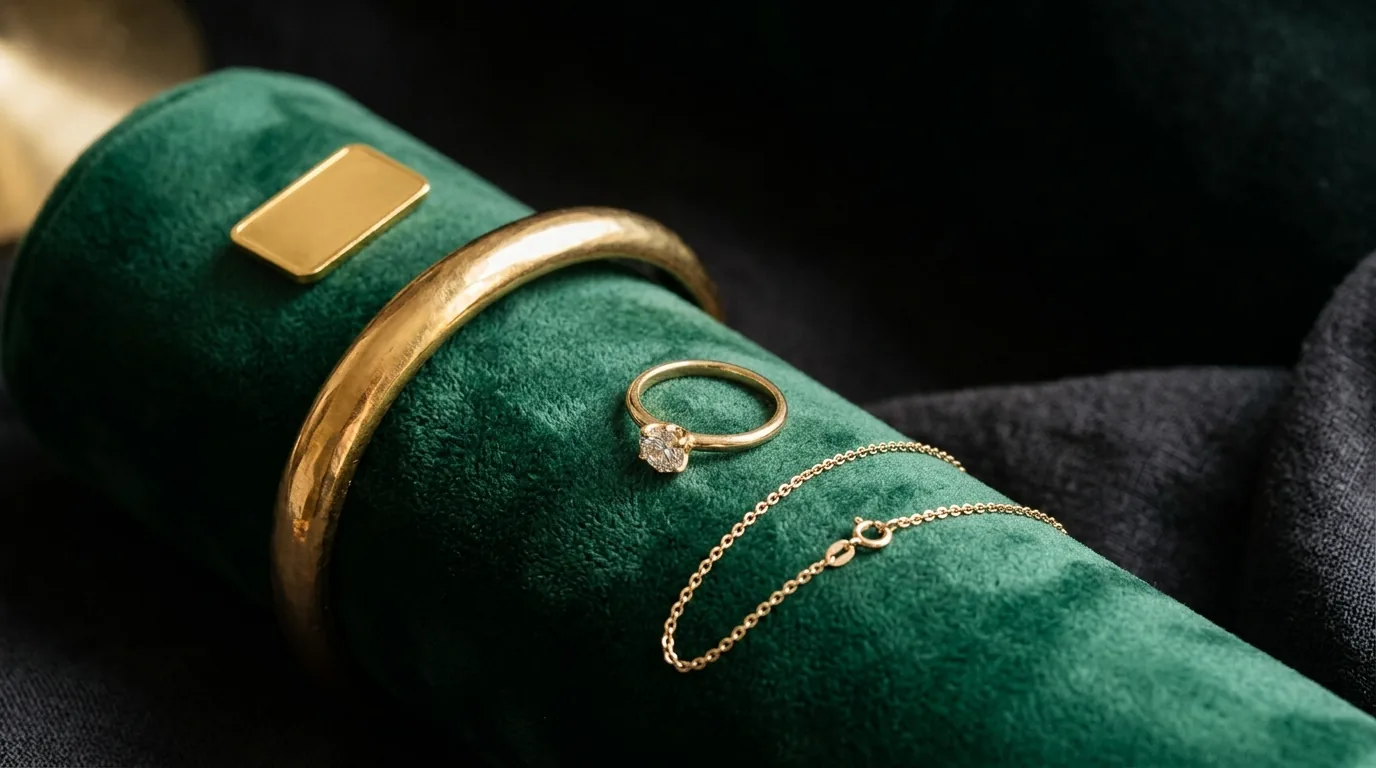
What Is Fine Gold? The Properties of 24 Karat Gold
What exactly is 24 karat fine gold, how is its price set and how does it differ from gold coins and jewellery? Our guide explains.
Whether you are watching the financial news or looking at the price screen in a jeweller's window, one of the terms you meet most often is "fine gold" (in Turkish, has altın). Yet many people are not quite sure what it means or how it differs from other kinds of gold. Understanding this concept, the basic reference of the whole gold market, helps you both when you buy and when you sell.
In the jewellery trade, every gold price is calculated from fine gold. Whether it is a 14 karat necklace or a 22 karat bangle, the value of each piece rests on the current price of fine gold. In this guide we explain what fine gold is, its properties and how it differs from other products.
What does fine gold mean?
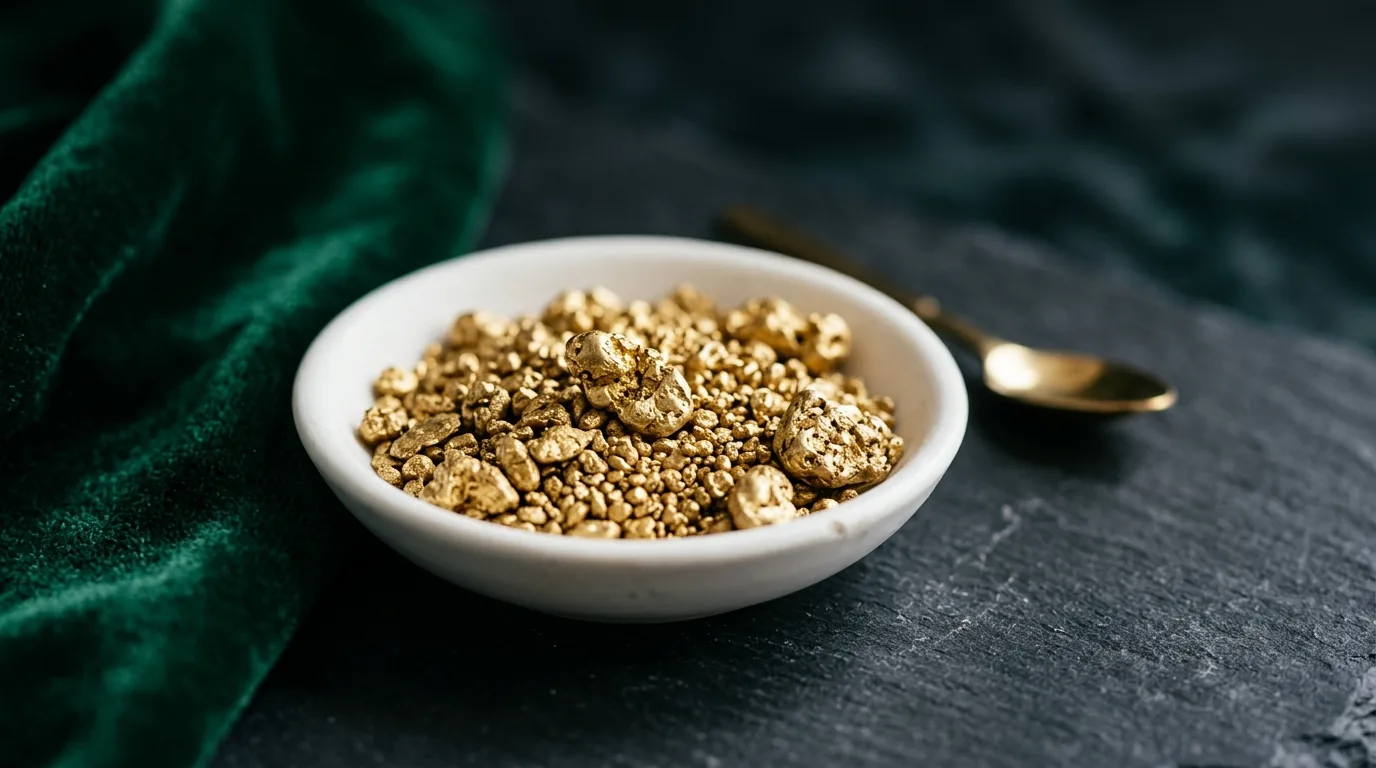
Fine gold is raw gold that has been melted at a refinery and cleaned of other metals: gold in its purest form. In the trade it is called 24 karat. It contains no alloy metals such as silver, copper or zinc.
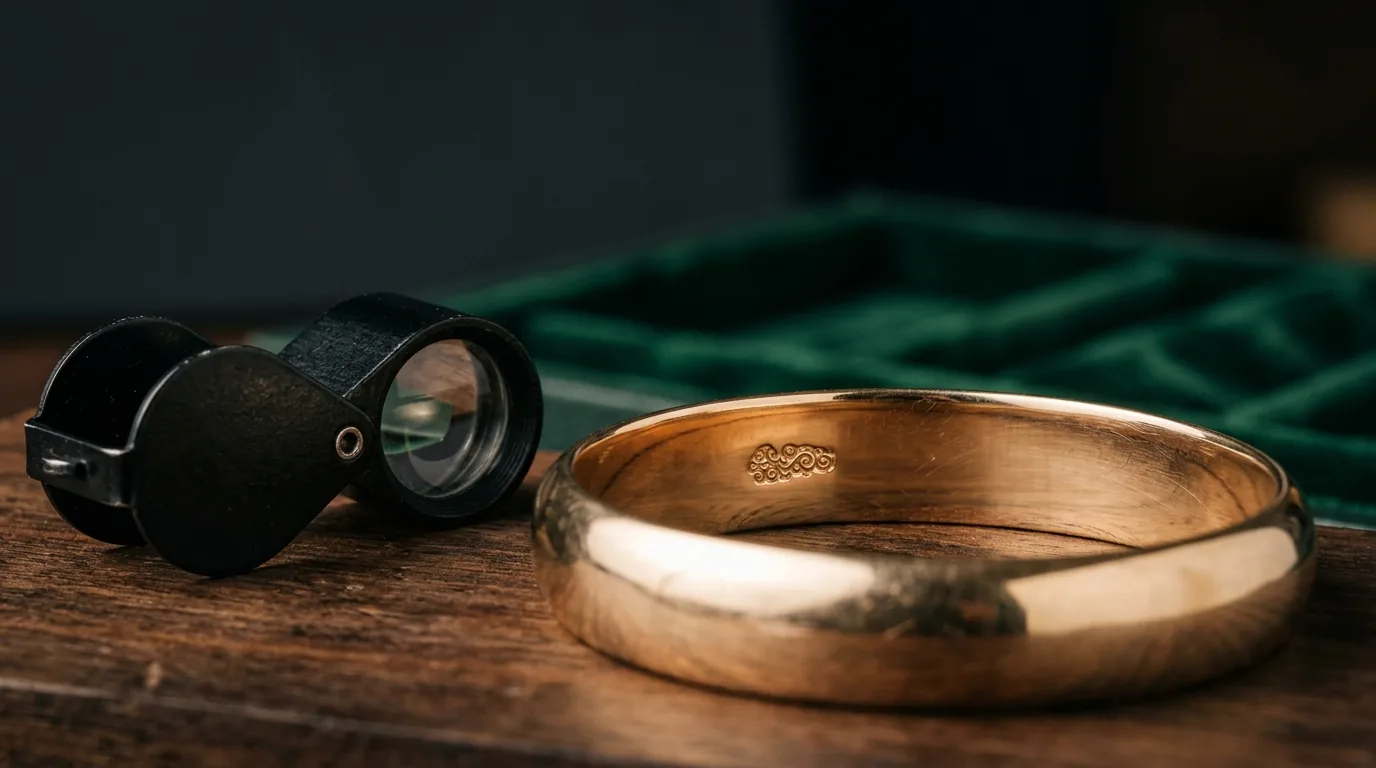
Because it is practically impossible to make any metal one hundred percent pure, the purity of fine gold is expressed in fineness as 995 or 999.9. This means that 995 or 999.9 parts out of a thousand are gold. The tiny remainder is made up of other elements that cannot be completely separated during refining. We explain how purity hallmarks appear on jewellery in our article how to read a gold hallmark.
Physical properties and uses
Fine gold has a distinctive, deep and rich yellow colour. Since it contains no other metals, this is the natural colour of gold itself. The most important physical feature of fine gold, however, is how soft it is. A thin plate of fine gold can easily be bent by hand. Gold is also extremely malleable; a small amount can be drawn into long, very fine wire.
Because of this softness, jewellery for everyday wear is not made directly from fine gold. Even if it were, it would dent and lose its shape easily. Fine gold is used as the raw material for jewellery. In workshops, copper and silver are added to turn it into more durable alloys such as 14, 18 or 22 karat.
The difference between Turkish gold coins and fine gold
Investors in Turkey sometimes confuse the gold coins struck by the Turkish State Mint with fine gold. The two groups differ both in purity and in form.
The traditional coins, the quarter, half and full coin (çeyrek, yarım, tam), are 22 karat (916 fineness); they contain some copper so that they keep their shape. These coins have standard sizes:
- Quarter coin: about 18 mm in diameter
- Half coin: about 22 mm in diameter
- Full coin: about 30 mm in diameter
Fine gold, on the other hand, is not tied to a coin size. It can be found as a 1 gram packaged bar or as a much larger ingot. The value of fine gold is measured not by its size but by its net weight on the scale and its purity.
Why do people choose fine gold?
When you buy gold, it matters how much of your money goes into the metal and how much into craftsmanship. Packaged 24 karat gram bars and ingots carry the lowest craftsmanship cost. As they have no design or handwork, you do not pay the workshop costs built into jewellery.
This is also an advantage when you sell. Fine gold is bought back at the current price, there is no loss of craftsmanship value and the spread between buying and selling stays narrow. That is why it is a popular choice for people who simply want to save. You can see the current value of the gold you hold with the calculators in our tools section.
How is the price of fine gold set?
The price of fine gold is not fixed by a single institution; it is formed on international markets. At the base of the price is the dollar value of one troy ounce of gold. An ounce is about 31.10 grams.
When the gram price in Turkey is calculated, this international price is combined with the current dollar exchange rate. So when you hold fine gold, you are exposed both to changes in the global value of gold and to movements in the dollar. Interest rate decisions, inflation data and the balance of supply and demand can move this price during the day. You can follow current prices on our live market screen.
The fine gold value of the jewellery you own
When jewellers talk about "scrapping" gold, they mean valuing jewellery by the pure gold it contains. A 14 or 22 karat ring you want to sell is usually bought to be melted down rather than resold.
That is why the payment you receive is calculated on the net amount of fine gold in the piece. As we explain in what is the gold craftsmanship fee, the other metals in the alloy and the craftsmanship you originally paid for are not included in this calculation.
Comparison table
| Feature | Fine gold (24 karat) | Gold coins (22 karat) | Jewellery (14/18 karat) |
|---|---|---|---|
| Purity | 99.5% and above (995 / 999.9) | 91.6% (916) | 58.5% – 75% |
| Craftsmanship | Very low | Low (minting cost) | High |
| Hardness | Very soft | Medium | Harder, suitable for daily wear |
| Loss when selling | Only the buy/sell spread | Low | High |
| Main purpose | Saving | Gifts and saving | Wear and style |
At our store in Ümraniye, Istanbul, you can see our gram gold options up close and ask any questions you have. Our address is on the contact page, and product models are in our catalogue.
This article is for general information only and is not investment advice.
Frequently Asked Questions
Are bank gold accounts fine gold?
The balance in a gram gold account at a bank represents 24 karat fine gold in value. If your account shows 10 grams, it is worth 10 grams of fine gold. But since you do not hold the gold physically, you depend on the bank's buy/sell spread and its working hours.
Does taking packaged gold out of its packaging reduce its value?
Because fine gold is soft, it scratches easily once removed from its packaging. This does not change its purity, but it may require an extra check when you sell and so slow the process down. It is more practical to keep packaged products in their original packaging.
Does fine gold tarnish over time?
Gold is one of the metals most resistant to oxidation, and fine gold is not expected to tarnish. Jewellery dulls over time because the copper and silver added to it react with sulphur and moisture in the air. Fine gold contains none of these metals.
At Erya Gold Kuyumculuk you can follow live buying and selling prices, and reach our store in Ümraniye with any question.